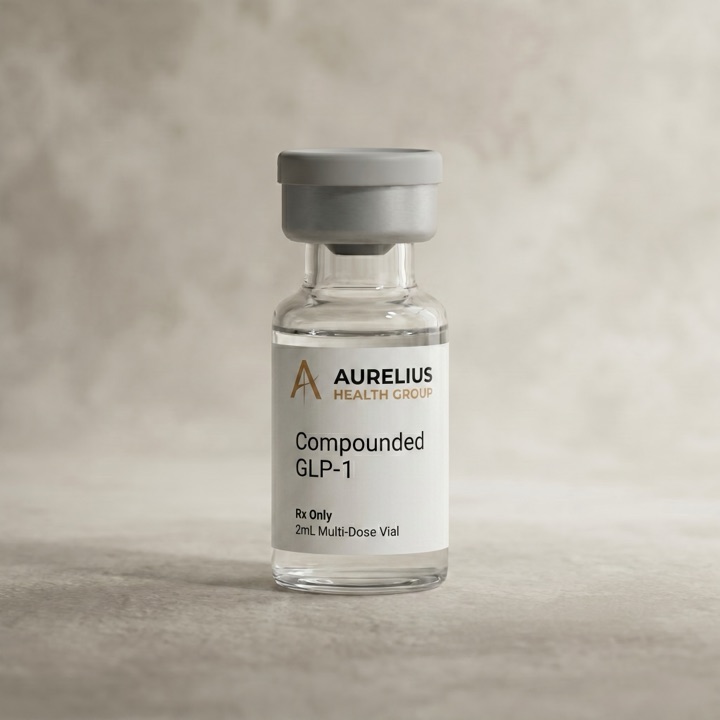
The transition through perimenopause and menopause produces significant metabolic changes that often result in unexpected weight gain, increased insulin resistance, and frustrating shifts in body composition. While standard doses of GLP-1 medications like semaglutide and tirzepatide have substantially advanced the field of weight management, a different approach is gaining attention among midlife women and the clinicians who care for them. Using lower, sustained doses of these medications offers a tailored strategy that prioritizes hormonal balance and meaningfully reduces the side effects associated with full therapeutic doses.
For many women over 40, the goal is not rapid weight loss in isolation, but rather restoring the metabolic signaling that has become dysregulated through aging and estrogen decline. This approach works in alignment with female physiology, honoring hormonal transitions and prioritizing long term healthspan. The ten reasons below explain why starting with a lower dose may represent a meaningful and sustainable first step for women navigating midlife metabolic change, and why clinicians increasingly consider it before recommending full dose escalation.
Sources: Xie et al., PMC 2024 [1]; manufacturer pricing data; Knight MG, PMC 2021 [3].
1. Minimizes Severe Gastrointestinal Side Effects
The most common reason women discontinue GLP-1 therapy is the prevalence of gastrointestinal side effects. Clinical trials for standard doses of semaglutide report nausea in approximately 25 to 44 percent of participants, along with significant rates of vomiting and diarrhea, and these adverse effects appear to be dose dependent, correlating directly with the rapid escalation protocols used in standard treatment [1].
By starting and maintaining a lower dose regimen, women can meaningfully reduce the risk and intensity of these side effects. Lower doses allow the digestive system to adapt more gradually, making the medication considerably more tolerable for long term use. For women who need consistent metabolic support without the disruption of daily nausea or digestive distress, this improved tolerability is not a minor convenience; it is what makes sustained use possible over months and years rather than weeks.
Figure 1
GLP-1 Side Effect Rates: Full Dose vs Microdose
Source: Xie et al., Comparative gastrointestinal adverse effects of GLP-1 receptor agonists. PMC 2024. Data are approximate; individual rates vary by trial and population.
2. Preserves Crucial Lean Muscle Mass
A significant concern with rapid weight loss induced by high dose GLP-1 medications is the concurrent loss of lean muscle. For women over 40, maintaining muscle is important for metabolic rate, bone density, and overall longevity, and the menopausal transition naturally accelerates muscle loss, which aggressive caloric restriction from high dose appetite suppression can further compound [2].
A lower dose provides gentler appetite reduction, allowing women to maintain adequate protein intake and continue strength training without fighting extreme hunger suppression. This balanced approach supports fat loss while protecting essential lean tissue. Avoiding severe caloric deficits helps preserve the metabolic foundation that women need to maintain physical strength as they age, making muscle preservation not merely an aesthetic concern but a clinical one with long term implications for mobility and metabolic health.
3. Improves Insulin Sensitivity Gently
As estrogen levels fluctuate and decline during perimenopause, many women experience a marked increase in insulin resistance. This hormonal shift changes how the body processes carbohydrates, often leading to increased fat storage, particularly in the visceral abdominal region [3]. GLP-1 medications are well established in their ability to enhance the body's natural glucose regulation processes and improve insulin sensitivity through mechanisms that include incretin signaling and delayed gastric emptying.
Published research suggests that GLP-1 medications can improve insulin signaling and stabilize blood glucose levels even before significant weight loss occurs, which may help counteract the insulin resistance driven by estrogen decline without overwhelming the system with escalating doses. Early data from smaller studies indicate that GLP-1 receptor activation can improve insulin sensitivity through additional mechanisms, including the reduction of inflammation and oxidative stress, both of which are particularly relevant for perimenopausal women experiencing metabolic dysregulation.
4. Quiets Food Noise Without Eliminating Appetite
High doses of GLP-1 medications can suppress appetite to the point where eating becomes a chore, making it difficult to consume adequate nutrients. Yet many midlife women simultaneously struggle with intrusive thoughts about food, persistent cravings, and an intense preoccupation with eating, a state sometimes described as "food noise," and this psychological dimension of eating can be exhausting while steadily derailing otherwise healthy habits [4].
A lower dose allows for appetite awareness rather than complete appetite elimination, effectively turning down the volume on food noise while helping women feel satisfied with smaller portions and reducing emotional eating triggers. This more balanced state makes it easier to nourish the body adequately, support lean muscle, and avoid the damaging cycle of restriction and rebound. Many women who have used lower dose protocols report a healthier and more sustainable relationship with food rather than an aversion to it, which is a meaningful distinction when evaluating long term adherence.
5. Supports Hormonal Balance and Reduces Cortisol
The physical stress of rapid weight loss and severe caloric restriction associated with high dose GLP-1 medications can elevate cortisol levels, which in turn may disrupt other delicate hormonal balances. High cortisol is particularly problematic during perimenopause, as it can worsen sleep disturbances, mood changes, and weight accumulation around the midsection, compounding the very symptoms women are trying to address.
A lower dose supports gradual physiological adaptation rather than abrupt metabolic change. By stabilizing blood sugar and reducing physiological stress, this approach may indirectly support hormonal balance over time. Improved cortisol regulation can help create a more favorable internal environment for estrogen and progesterone, which may contribute to better overall wellbeing and reduced severity of menopausal symptoms. Women whose dosing is calibrated to their physiology rather than driven by scale goals alone often report improved mental clarity and a more stable relationship with eating.
6. Targets Stubborn Menopausal Belly Fat
The decline in estrogen during menopause triggers a distinct shift in fat deposition, moving away from the hips and thighs toward the abdominal region. This visceral fat is metabolically active and linked to increased inflammation and elevated cardiovascular risk [5], and women who have never previously struggled with their weight often find themselves contending with a sudden accumulation of belly fat during their 40s and 50s despite no change in diet or activity.
GLP-1 medications are particularly effective at targeting visceral adiposity. By improving insulin sensitivity and supporting overall fat reduction, lower doses may help reverse this menopausal shift in fat distribution over time, though individual results vary depending on baseline metabolic health, lifestyle factors, and degree of physician supervision. Because visceral fat is so tightly linked to inflammatory signaling, reducing it carries benefits that extend well beyond aesthetics, including meaningful improvements in cardiovascular and metabolic markers that matter for long term health outcomes.
Figure 2
Projected Weight Gain Trajectory: Women Over 40
Source: Knight MG, Weight Regulation in Menopause, PMC 2021 [3]; Graczyk & Bisschops, Cureus 2024 [8]. Trajectories are illustrative projections based on published dose-response data. Individual results vary.
7. Reduces Systemic Inflammation
Visceral abdominal fat is a significant source of inflammatory cytokines, contributing to a state of chronic low grade inflammation that is commonly observed in postmenopausal women and that can worsen insulin resistance, joint discomfort, and cardiovascular health over time. Emerging research suggests that GLP-1 receptor activation may directly reduce inflammatory signaling in fat tissue through mechanisms that operate independently of weight loss [6].
By supporting the reduction of visceral fat stores and improving metabolic markers, lower dose GLP-1 therapy may help calm systemic inflammation, and this anti-inflammatory effect represents an added benefit that extends beyond weight management. For women who cannot or prefer not to use hormone replacement therapy, this metabolic and anti-inflammatory support may offer a meaningful complementary pathway to improved wellbeing during and after the menopausal transition, particularly when pursued under appropriate clinical oversight.
8. May Support Cognitive Clarity During Brain Fog
Many women experience cognitive changes during perimenopause, often described as "brain fog," which can manifest as difficulty concentrating, memory lapses, and persistent mental fatigue. GLP-1 receptors are present in key brain regions, including the hippocampus, which is important for memory and learning, and research in this area is generating increasing interest as a secondary benefit of GLP-1 therapy [7].
Published studies indicate that GLP-1 medications may support cognitive function by promoting neurogenesis and reducing neuroinflammation, though dedicated RCTs specifically in perimenopausal populations remain limited. Lower dose protocols may provide these potential cognitive benefits by stabilizing blood sugar and supporting brain health, helping women regain mental clarity during a hormonally complex period. Stabilizing glucose levels alone removes a frequent contributor to cognitive sluggishness, since blood sugar spikes and crashes are a recognized driver of afternoon fatigue in perimenopausal women, and these effects are accessible at doses well below the standard therapeutic range.
9. Offers a Sustainable Long Term Strategy
Long term success in metabolic health requires an approach that can be maintained without physical or psychological burnout. Standard high dose GLP-1 therapy is often viewed as a temporary intervention, and published data indicate that a meaningful proportion of patients regain weight once the medication is stopped, as the extreme appetite suppression that characterizes high dose protocols is rarely tolerable or sustainable indefinitely [8].
A lower dose approach shifts the goal from rapid weight loss toward long term metabolic resilience, encouraging consistency and integration with healthy lifestyle habits including adequate protein intake and regular exercise. This approach allows women to use the medication as a supportive tool over years, maintaining health improvements without the pressure of escalating doses or the physiological disruption that comes from abrupt discontinuation. Individual results vary, and outcomes depend substantially on lifestyle factors, baseline metabolic health, and the quality of ongoing physician supervision throughout the protocol.
10. Cost Effective and Flexible Dosing
Standard GLP-1 medications can be prohibitively expensive, often exceeding one thousand dollars per month without insurance coverage, and for many women this financial burden places effective treatment out of reach entirely. Additionally, the prefilled pen dosing format of standard branded medications offers little flexibility for individualized dose adjustment based on response or tolerance.
Compounded formulations at lower doses provide a considerably more accessible option for eligible patients. By using smaller amounts per dose, a single prescription can last significantly longer, reducing the monthly out of pocket expense substantially while allowing the prescribing provider to titrate precisely to each woman's unique physiological needs and metabolic response. Compounded formulations from properly regulated pharmacies are typically subject to third party quality testing, offering a reliable and more accessible entry point into GLP-1 therapy for women who might otherwise be priced out of standard branded treatment entirely.
Figure 3
Microdose vs Full Dose: Key Benefits for Women Over 40 (Score 1–10)
Source: Comparative scoring based on published clinical evidence across cited trials. Scores are expert-derived relative ratings, not absolute clinical measurements. Individual results vary.
Frequently Asked Questions
References
- Xie X, et al. Comparative gastrointestinal adverse effects of GLP-1 receptor agonists. PMC. PMC12491879
- Tinsley GM. Preservation of lean soft tissue during weight loss induced by GLP-1 receptor agonists. PMC. PMC12536186
- Knight MG. Weight Regulation in Menopause. PMC. PMC8373626
- Cook G. Quieting "Food Noise": How GLP-1s and Mindfulness Rewire Appetite. PMC. PMC12770913
- The Pause Life. GLP-1s and Hormone Therapy: A Game-Changing Duo for Menopause Belly Fat. thepauselife.com
- Relished Food. 5 Benefits of GLP-1 Beyond Weight Loss. relishedfood.com
- Tipa RO. A Systematic Review of Semaglutide's Influence on Cognitive Function. PMC. PMC11084700
- Graczyk NA, Bisschops J. GLP-1 Receptor Agonists for Obesity and Symptoms in Menopause: A Review. Cureus. cureus.com
- Mayo Clinic. New study links combination of hormone therapy and tirzepatide to greater weight loss after menopause. mayoclinic.org
Take the next step
Talk with a licensed provider
A 2 minute intake connects you with a licensed provider who reviews your health history and discusses whether treatment is appropriate for you.
$89 first month, then $199/month. Cancel anytime.
Start Your Journey Prescription only if clinically appropriate.