New patient intro: $89 first month, then $199/month. Cancel anytime.
The Aurelius Journal
The research is public. We just make it readable.
Every compound in our protocols has a paper trail. These articles walk through the actual studies, rate the evidence honestly, and flag where the data is still being worked out. No cherry picked abstracts. No marketing language.
Who Qualifies for Tirzepatide? BMI Criteria, Weight Related Conditions and Who Should Not Take It
Who qualifies for tirzepatide? The BMI 30 and 27 thresholds, the conditions that count, the diabetes and sleep apnea routes, and who should not take it.

All Articles

Tirzepatide and Asthma: What the Research Shows About Weight Loss, Airway Inflammation and Flares
Does tirzepatide help asthma? What weight loss trials, 2026 records studies and a respiratory safety review show, and what has not been tested yet.

Mounjaro vs Zepbound: Same Tirzepatide, Different Labels, Doses and Coverage
Mounjaro and Zepbound are the same drug in the same doses. What differs is the FDA label, how the dose is chosen, the trial evidence and insurance coverage.

Does Tirzepatide Make You Tired? What the Label Data Shows About Fatigue, and Why It Usually Happens
Fatigue was reported by 5% to 7% of people on tirzepatide versus 3% on placebo. Why it happens, how compounded and low dose use fit in, and when to call.

What Is Tirzepatide Made Of? The Peptide, the Fatty Acid Chain, and What Goes Into Compounded Versions
What tirzepatide is made of: the 39 amino acid peptide, its C20 fatty acid chain, the inactive ingredients in the pen, and how compounded versions differ.

How Microdosing Tirzepatide Works: What Low Doses Do in the Body, and What the Trials Have Not Tested
How microdosing tirzepatide works: what low doses do in the body, what the 1 mg trial arm showed, and what is known about inflammation and pancreatitis.

Zepbound vs Wegovy: How the Two Weekly Weight Loss Medicines Compare on Results, Labels, Dosing and Cost
Zepbound vs Wegovy: what SURMOUNT-5 found, which uses each label covers, how dosing differs and what each costs without insurance.

Is GLP-1 for PCOS Covered by Insurance? Why Coverage Usually Hinges on Weight, Not the Diagnosis
Is GLP-1 for PCOS covered by insurance? Rarely for PCOS itself. Coverage follows a weight, diabetes or sleep apnea indication. Here is how plans decide.

Can Low Dose Tirzepatide Cause Hair Loss? What the Dose Data Actually Shows
Can low dose tirzepatide cause hair loss? The label's dose by dose numbers, why weight loss is the likely trigger, and what is unknown about microdosing.

Should You Diet Before Starting Tirzepatide? What the SURMOUNT-3 Lifestyle Trial Shows
SURMOUNT-3 tested a 12 week diet and activity program before tirzepatide. What the trial found, what it cannot tell us, and how it applies to real patients.

Tirzepatide and Prediabetes: What Three Years of SURMOUNT-1 Data Show About Preventing Type 2 Diabetes
In SURMOUNT-1, far fewer people with prediabetes developed type 2 diabetes on tirzepatide than on placebo. What the data show, and what happened after stopping.

Tirzepatide and Binge Eating: What the Early Research Shows, and What It Doesn't Yet
Many people on tirzepatide report quieter binge urges. What early studies show, how GLP-1 and GIP signaling may affect food reward, the risks, and the trial underway.

Tirzepatide vs Bariatric Surgery: How the Weight Loss, Durability and Risks Compare
Tirzepatide's weight loss now approaches some bariatric procedures. How the two compare on average results, durability after stopping, risks and who qualifies for each.
Eating Too Little on Tirzepatide: The Signs of Underfueling and How Much Food Is Enough
Tirzepatide can quiet hunger so much that some people eat far less than they need. The signs of underfueling, why it costs muscle, and sensible calorie and protein floors.

Vitamin and Mineral Deficiencies on Tirzepatide: Which Nutrients Run Low, and How to Stay Ahead of Them
Eating less on tirzepatide can mean fewer vitamins too. What GLP-1 research shows about vitamin D, iron, B12 and thiamine, and which labs are worth discussing.

Can You Take Creatine on Tirzepatide? What the Muscle Research Actually Supports
Tirzepatide trims fat fast, but some lean mass goes too. What the research says about adding creatine, typical dosing, water weight and the kidney lab quirk.

Tirzepatide and Lipedema: What the Research Shows About GLP-1 Therapy for Painful Leg Fat
Lipedema fat often resists diet and exercise. What early studies suggest about tirzepatide for lipedema, where the evidence stops, and how it fits with standard care.

Tirzepatide and Psoriasis: What the TOGETHER Trials Show About Weight, Skin and Joint Inflammation
Psoriasis travels with obesity. What the TOGETHER-PsO and TOGETHER-PsA trials found when tirzepatide was added to a biologic for skin and joint outcomes.

Does Tirzepatide Reduce Visceral Fat? What the MRI and DXA Trial Data Show About Belly Fat
Visceral fat is the deep belly fat most tied to metabolic risk. What SURMOUNT-1 DXA and SURPASS-3 MRI scans showed on tirzepatide, and how to track waist size at home.

Tirzepatide and Continuous Glucose Monitors: What CGM Data Can and Cannot Tell People on Treatment
Over the counter glucose sensors are easy to buy. What CGM readings look like on tirzepatide, who benefits most from one, and how to read time in range.

Tirzepatide and Smoking: What the Research Says About Nicotine Cravings and Weight Gain After Quitting
Fear of weight gain keeps many people smoking. What GLP-1 research suggests about nicotine cravings, what tirzepatide trials are testing, and how to quit safely.

Tirzepatide and Heart Failure: What the SUMMIT Trial Showed About HFpEF and Obesity
In the SUMMIT trial, tirzepatide was linked to fewer heart failure events and better symptoms in adults with HFpEF and obesity. What the data show and where the evidence stops.

How to Track Progress on Tirzepatide: Measurements That Matter Beyond the Scale
Scale weight is noisy on tirzepatide. Why a 7 day average, waist size, blood pressure, A1C and body composition give a clearer read, and what SURMOUNT-1 showed.

Tirzepatide Non-Responders: Why Some People Lose Less Weight and What Can Change It
Tirzepatide trial averages hide a wide range of results. What SURMOUNT data show about slower responders, the factors linked to smaller losses and what clinicians review.

Tirzepatide and Kidney Stones: Hydration, Diet and What Actually Raises Risk
Tirzepatide is not a known direct cause of kidney stones, but less thirst, GI fluid loss and very high protein eating can concentrate urine. Who is at risk and how to hydrate.

Eating Out on Tirzepatide: Restaurants, Holidays and Social Meals
Restaurant portions were built for an appetite tirzepatide reduces. How to order, when in the weekly cycle a large meal is easiest, and which dishes reliably cause trouble.

How Does Tirzepatide Work? GIP and GLP-1 Dual Agonism Explained
One molecule, two incretin receptors. What GIP and GLP-1 each do in the pancreas, gut, fat and brain, why dual agonism beat semaglutide head to head, and how weekly dosing works.

Tirzepatide and Keto: Can You Combine a Low Carb Diet With GLP-1/GIP Therapy?
No trial has tested keto on top of tirzepatide, and SURMOUNT used no carbohydrate rules at all. Where the two overlap, where strict keto stacks risk, and a sensible carb range.

Does Tirzepatide Slow Your Metabolism? What Metabolic Chamber Studies Show About Energy Expenditure
Calorie burn falls on tirzepatide by about what a smaller body predicts, no more. What an 18 week metabolic chamber trial found, and the levers that protect metabolic rate.

Does Tirzepatide Work Differently in Men and Women? What the Sex Difference Data Shows
Women lost more weight than men in all four SURMOUNT trials, and the gap widens after month 6. How large it is, why it likely happens, and what it means for each sex.

How Long Does Tirzepatide Take to Work? A Month by Month Timeline of What to Expect
Appetite changes in one to two weeks, measurable loss in the first month, most of the result between months three and nine. The SURMOUNT timeline, stage by stage.

Tirzepatide and Vaccines: Flu Shots, COVID Boosters, and When to Schedule Them
Flu shots and COVID boosters are not restricted on tirzepatide and no interaction is listed. How to time a vaccine around the weekly injection and tell overlapping side effects apart.

Tirzepatide and Caffeine: Why Coffee Hits Differently on GLP-1 Therapy
Coffee is not restricted with tirzepatide and the two have no known interaction. Why caffeine still feels stronger on GLP-1 therapy, and how to adjust the cup rather than give it up.

Dizziness and Lightheadedness on Tirzepatide: Why It Happens and What to Do
Dizziness on tirzepatide usually traces to blood pressure, fluid, fuel, or a mismatched diabetes drug. How to tell which one it is, and what resolves it without a dose change.

Sulfur Burps and Bloating on Tirzepatide: Why They Happen and How to Reduce Them
Belching was reported by roughly 5 to 6 percent of tirzepatide participants in SURMOUNT. Why the sulfur version happens, when it fades, and what reduces it.

Why Do I Feel Cold on Tirzepatide? Body Temperature and Weight Loss
Cold intolerance is not a listed tirzepatide side effect. Why losing weight changes how cold a room feels, and the lab results worth checking first.
Tirzepatide Injection Site Reactions: Telling a Normal Lump From a Problem
Local reactions were reported by roughly 3 to 6 percent of participants in SURMOUNT-1, and most were mild. How to tell an ordinary reaction from one that needs review.
Tirzepatide and the Gut Microbiome: Why Fiber Becomes the Variable That Matters
GLP-1 therapy changes gut transit, food volume, and fiber intake at once, and the microbiome responds to all three. What the evidence supports, and what is still speculation.
Tirzepatide and Your Other Medications: The Interaction Review Worth Doing First
Tirzepatide slows gastric emptying and drives weight loss, and both change how other medications behave. The interactions and dose reviews worth planning first.

Tirzepatide and Dental Health: Dry Mouth, Enamel, and What to Tell Your Dentist
Dry mouth, acid exposure, and a changed eating pattern alter conditions inside the mouth on tirzepatide. What saliva does, and how to protect enamel without stopping treatment.

Tirzepatide and Intermittent Fasting: What Happens When Two Appetite Interventions Overlap
Intermittent fasting and tirzepatide both reduce energy intake, so stacking them deepens the deficit rather than adding a second mechanism. What that costs in lean mass.

Tirzepatide and the Menstrual Cycle: Why Periods Change During Weight Loss
Menstrual changes on tirzepatide trace back to fat loss, insulin sensitivity, and energy availability rather than the drug itself. Which shifts to track and which to have evaluated.

Why Food Tastes Different on Tirzepatide: Three Changes, Not One
Altered taste on tirzepatide covers three separate changes: distorted flavour, learned food aversion, and reduced reward. What the evidence shows and how to protect protein.

Tirzepatide and Alcohol: What Changes and Where the Risks Sit
Tirzepatide carries no ban on alcohol, but it changes the context around every drink. What the evidence suggests about blood sugar, the pancreas, and tolerance.

Tirzepatide and Diarrhea: Why It Happens, How Long It Lasts, and What Helps
Diarrhea was reported by 18.7 to 23.0 percent of tirzepatide participants in SURMOUNT-1 against 7.3 percent on placebo. What drives it, and what actually helps.

Tirzepatide After Bariatric Surgery: What the Evidence Says About Weight Recurrence
Pooled data reports 13.6 to 15.5 percent weight loss with tirzepatide after bariatric surgery, while conversion to a gastric bypass reported roughly double over three years.
Tirzepatide and Gout: Why Uric Acid Can Rise Before It Falls
Tirzepatide reduced serum uric acid by up to 0.95 mg/dL in SURMOUNT-1, yet gout flares can appear early. Why urate rises before it falls, and when the risk window is.
Tirzepatide and Eye Health: Retinopathy, Blurry Vision, and the NAION Question
What the SURPASS-CVOT retinopathy substudy found, why early blurred vision happens, and how ophthalmology groups assess the NAION signal across GLP-1 medications.
Tirzepatide and Heart Rate: Why Resting Pulse Rises and What It Means
Tirzepatide raises resting heart rate by roughly 2 to 4 bpm. What the SURMOUNT-1 monitoring substudy measured, the mechanism, and when a pulse change matters.

Tirzepatide and Gastroparesis: Separating the Mechanism From the Diagnosis
Slowed gastric emptying is how tirzepatide works, not a malfunction. What the cohort data actually show, why symptoms mislead, and what changed for procedures.
Tirzepatide vs. Semaglutide: What the Head to Head Trials Actually Show
SURMOUNT-5 and SURPASS-2 compared the two directly, and both favored tirzepatide. Where the numbers stop deciding, and what semaglutide is still approved for.

Tirzepatide and Headaches: Why They Happen and What Helps
Headache is reported by roughly 4% to 14% of people on tirzepatide. The four pathways behind it, how to tell them apart, and what actually resolves each one.

Missed a Tirzepatide Dose? What to Do If You Are Late or Skip a Week
Tirzepatide's long half life gives a late injection a built in margin. What the 4 day rule means, why doubling up backfires, and when a longer gap needs a prescriber.

Antidepressants and Weight Gain: What to Understand Before Adding GLP-1 Therapy
Antidepressant associated weight gain varies enormously by drug and builds over years. What the evidence shows, and where GLP-1 therapy does and does not fit.
Tirzepatide and Loose Skin: Why It Appears and What Actually Influences It
Loose skin after tirzepatide is a mechanical result of lost volume, not a drug side effect. What predicts how much appears, why the rate of loss matters, and what evidence supports.
Low Blood Sugar on Tirzepatide: Where the Risk Actually Comes From
Tirzepatide rarely drives glucose low on its own because its insulin effect is glucose dependent. What changes the picture is almost always another agent in the regimen.
The Maintenance Phase: What Tirzepatide Therapy Looks Like After the Weight Comes Off
The reduction phase runs about a year and maintenance runs indefinitely. What the SURMOUNT-4 withdrawal data showed, and whether the dose can come down.
Tirzepatide After 60: What Changes When the Patient Is Older
The trials enrolled adults into their seventies and the metabolic effects held. What changes after 60 is muscle reserve, bone reserve, and the medication list.
The Tirzepatide Titration Ladder: Why the Dose Climbs Slowly and What Each Step Is For
The starting dose is labeled for initiation rather than glycemic control. What each step is for, where the SURMOUNT dose response curve bends, and why four weeks.
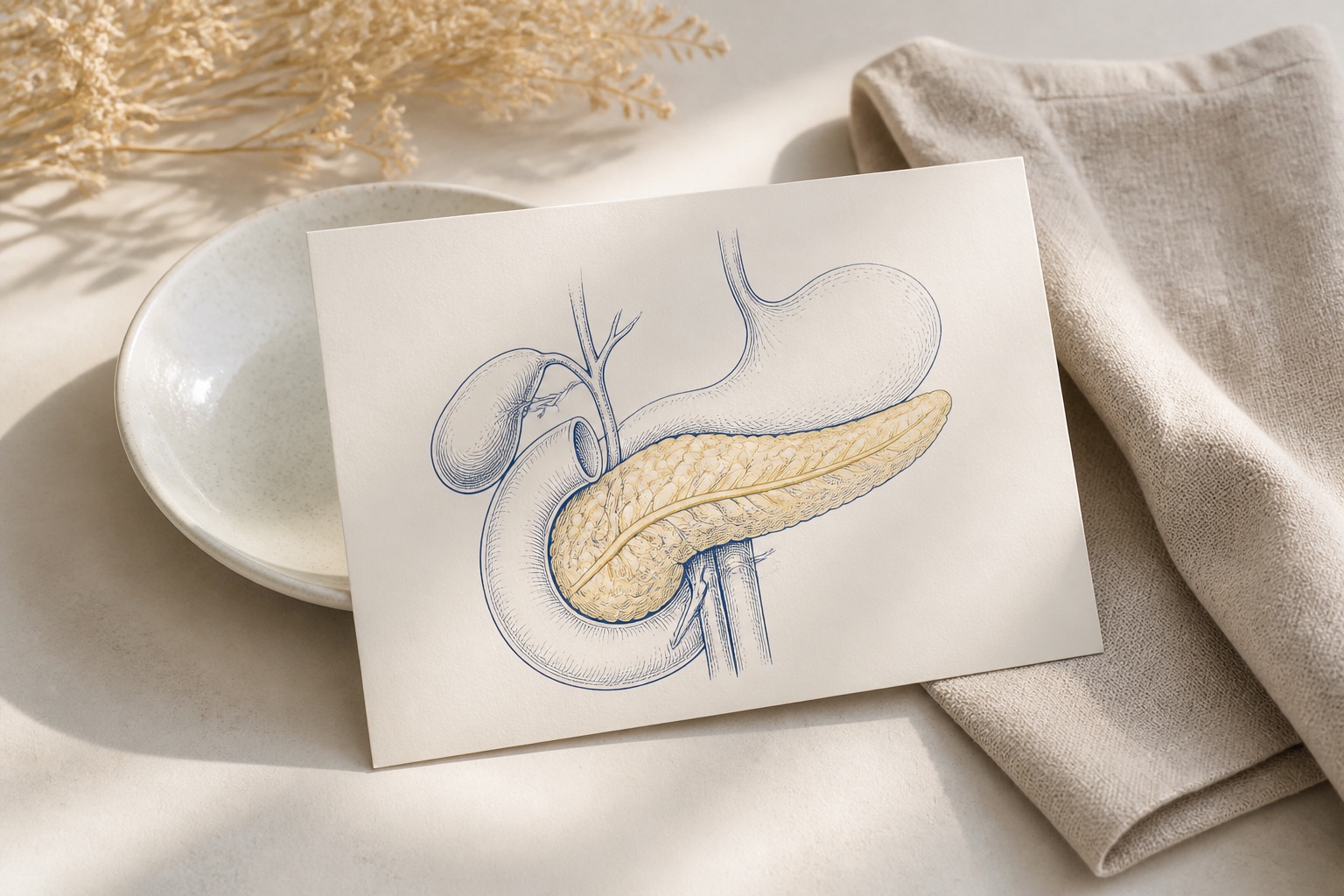
Tirzepatide and Pancreatitis: What the Risk Actually Is and Which Warning Signs Matter
Pancreatitis appears in the prescribing information for every GLP-1 medication and is genuinely uncommon. What the evidence shows, and which pain pattern warrants same day evaluation.

Tirzepatide and Dehydration: Why Fluid Intake Falls and What a Sick Day Plan Contains
Fluid intake declines through arithmetic rather than symptoms. Where the water goes, what the label says about volume depletion, and what a sick day plan contains.

Tirzepatide and Acid Reflux: Why Heartburn Appears and How It Is Managed
Slower gastric emptying is central to how tirzepatide works and is also why reflux appears. What the cohort data shows, when symptoms peak, and the measures that help.

The Weekly Rhythm of Tirzepatide: Half Life, Peak Effects, and Why Some Days Feel Different
A once weekly injection does not produce a once weekly effect. How the five day half life, time to peak, and steady state explain the day to day variation.
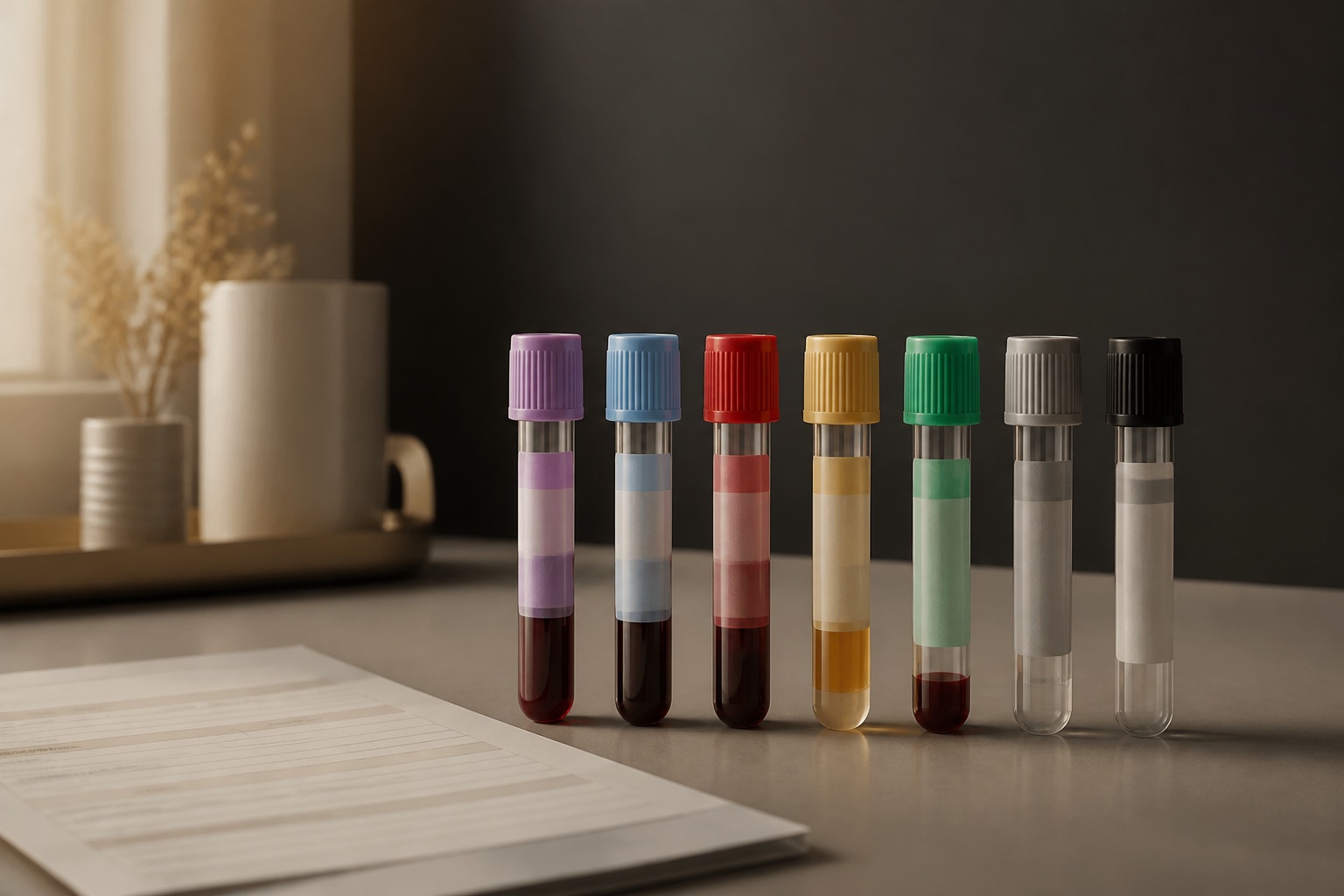
Lab Monitoring on Tirzepatide: Which Numbers Actually Change, and When to Check Them
Weight is the most visible marker on tirzepatide and the least informative alone. Which labs move, when each becomes interpretable, and what a baseline panel covers.
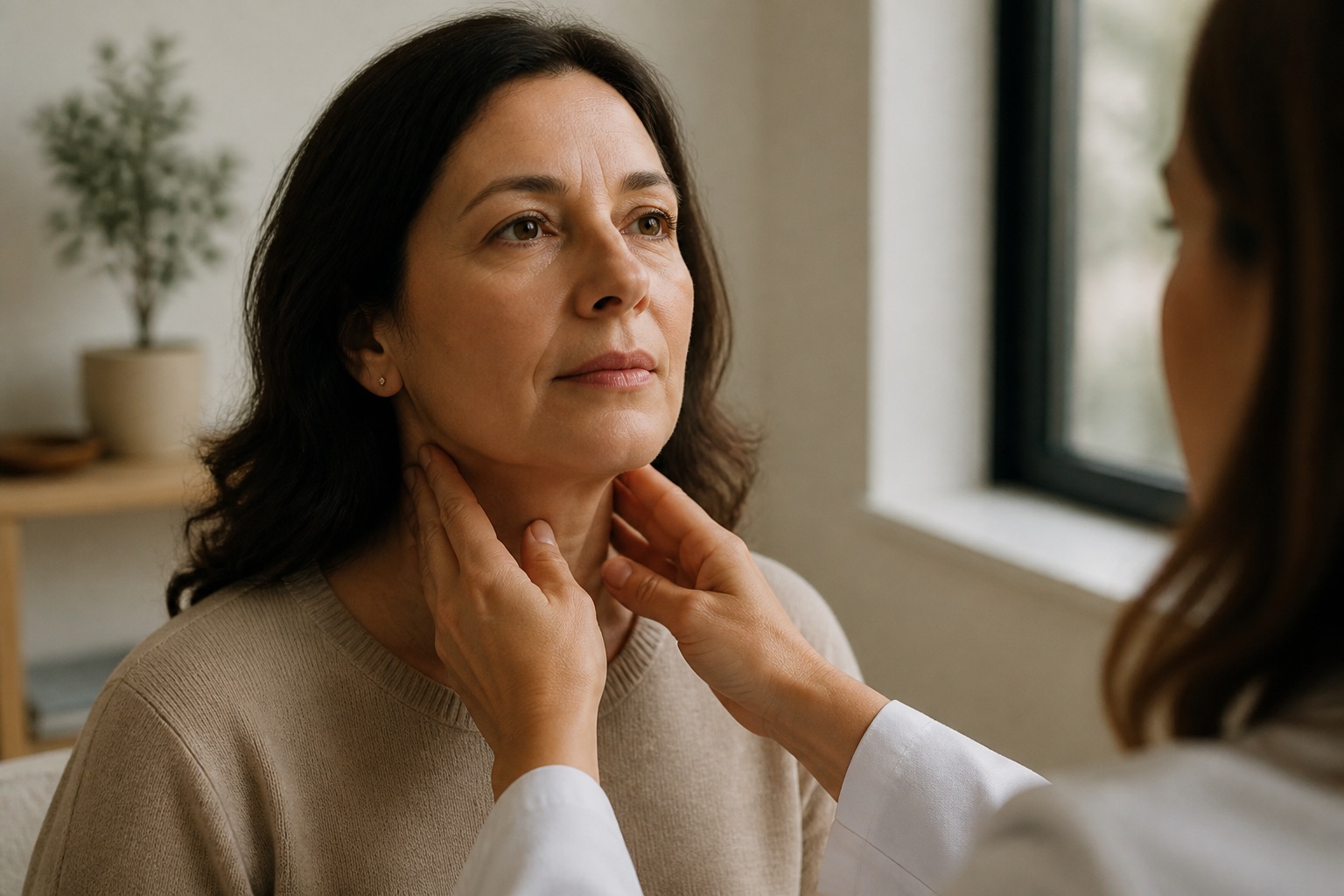
Tirzepatide and Thyroid Health: The Boxed Warning, Nodules, and Levothyroxine
The boxed warning describes thyroid tumors seen in rodents. What it means, who is contraindicated, and why levothyroxine requirements shift during weight loss.

Tirzepatide, Contraception, and Fertility: What the Label Actually Says
Tirzepatide carries a labeled interaction with oral contraceptives during dose escalation. Why it happens, what the label advises, and why ovulation can return.

Tirzepatide and Surgery: What to Know Before a Procedure
GLP-1 medications slow gastric emptying, which matters before anesthesia. How the guidance changed, what elevated risk means, and what to disclose.
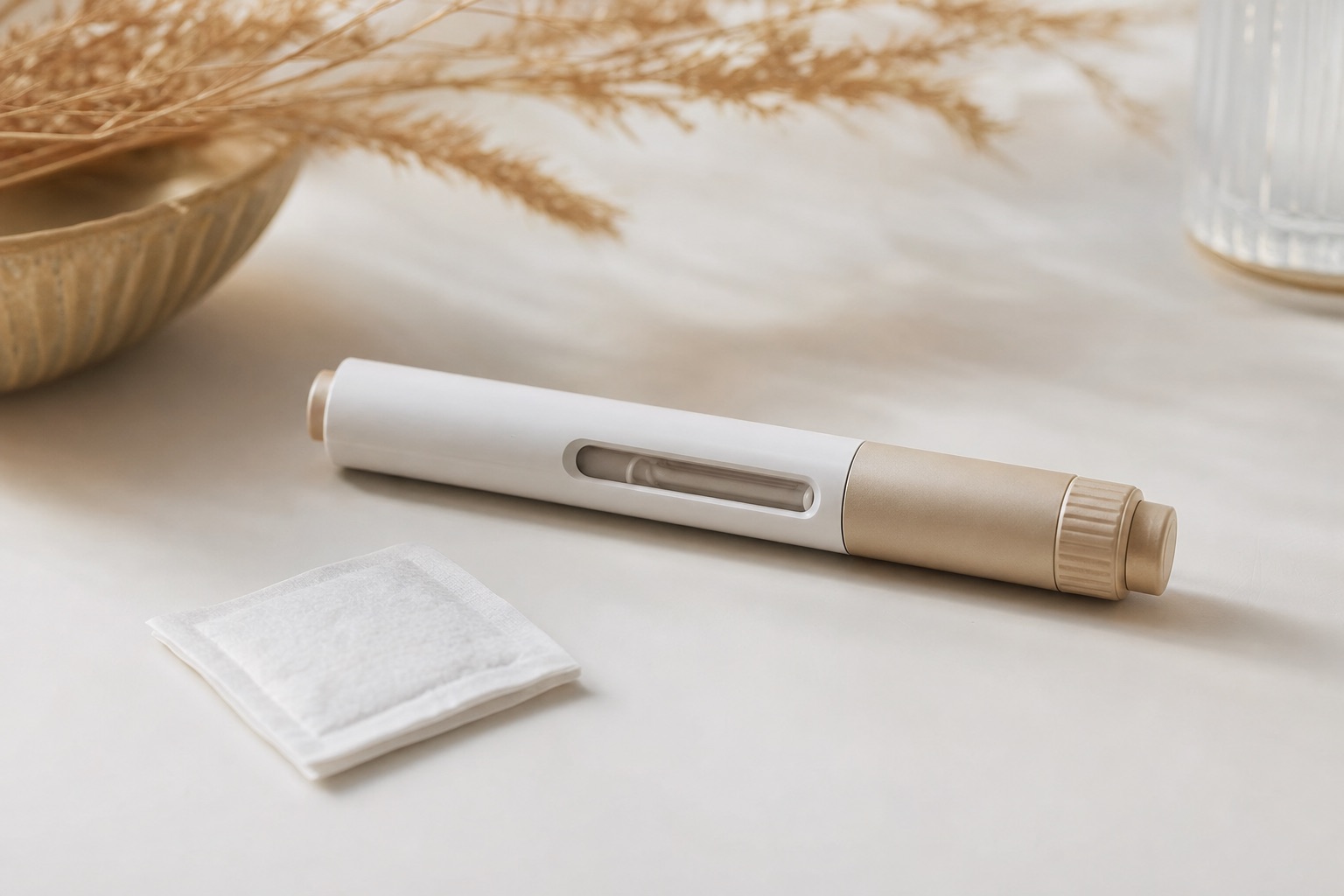
How to Inject Tirzepatide: Technique, Injection Sites, and Rotation
The three approved injection sites, step by step technique, needle angle, and why site rotation protects both comfort and how well the medication absorbs.

Tirzepatide and Constipation: Why It Happens and How to Keep Your Gut Moving
Constipation on tirzepatide comes from slowed gut motility plus less food, fiber, and fluid. Here is why it happens and the levers that keep the gut moving.

Traveling With Tirzepatide: Storage, Time Zones, and Getting Through Security
Tirzepatide tolerates room temperature for a defined window, clears airport security like insulin, and adapts to time zones. Here is how to keep a protocol on track while away.
Tirzepatide and the Gallbladder: Why Rapid Weight Loss Raises Gallstone Risk and How to Reduce It
Rapid weight loss raises gallstone risk, and tirzepatide produces rapid weight loss. Here is what changes in the biliary system and the levers that lower the odds.

Tirzepatide and Nausea: Why It Happens, When It Peaks, and How to Reduce It
Nausea on tirzepatide comes from delayed gastric emptying and central appetite signaling, not an irritated stomach. Here is why it happens and the levers that reduce it.
Tirzepatide and "Ozempic Face": 8 Things to Know About Facial Volume, Skin, and Rapid Weight Loss
Ozempic face is facial volume loss and skin laxity from rapid weight loss, not a drug effect. Here is why it happens and how a controlled pace and skin care soften it.

Hair Shedding on Tirzepatide: Why It Happens, When It Stops, and How to Protect Your Hair
Increased hair shedding during GLP-1 weight loss is a temporary, reversible reaction called telogen effluvium. Here is why it happens and how to support regrowth.

The Tirzepatide Plateau: Why Weight Loss Stalls and What Actually Moves the Needle Again
Weight loss stalls on tirzepatide are common, predictable, and usually temporary. Here is why the scale stops moving and the evidence based levers that restart progress.
Tirzepatide and Bone Health: 9 Things to Know About Protecting Bone Density During Rapid Weight Loss
Rapid weight loss on tirzepatide can lower bone mineral density at the hip and femoral neck. The effect tracks with weight lost and is largely modifiable.

Weight Regain After Stopping GLP-1: What the Withdrawal Trials Show
When semaglutide or tirzepatide is stopped, published trials show most lost weight returns within a year. What the STEP and SURMOUNT withdrawal data reveal, and why.
Transdermal Estrogen and GLP-1: Why Patch Users See Different Results Than Oral
Transdermal estrogen bypasses the gut and liver, which changes how it fits with GLP-1. What current menopause guidance says about delivery route and body composition.

GLP-1 and HRT Together: What the 2025 Mayo Trial Showed About Stacking Them
A 2025 Mayo Clinic analysis found HRT combined with tirzepatide produced 17% weight loss versus 14% on tirzepatide alone. What that means for women on estrogen therapy who are still stuck.

Tirzepatide and Energy: 10 Reasons the Drug Drops Energy First, Then Often Restores It Above Baseline
Energy on tirzepatide follows two phases: an early titration dip with fixable causes, then a sustained recovery that often exceeds pre treatment baseline.

Tirzepatide and Quality of Life: 10 Reasons the Patient Reported Outcomes Matter as Much as the Lab Numbers
Patient reported quality of life improves substantially on tirzepatide across physical function, mood, sleep, and social life. Here are 10 reasons it rivals the labs.

Tirzepatide and Joint Pain: 10 Reasons the Knees and Hips Improve Before the Scale Tells the Full Story
Weight related joint pain often eases on tirzepatide within 3 to 6 months, before the full weight loss accrues. Here are 10 reasons the joints improve faster than the scale.

Tirzepatide and Inflammation: 10 Reasons the Inflammatory Reduction Underlies Most of the Other Benefits
CRP drops 20 to 40 percent on tirzepatide and IL-6 follows. Here are 10 reasons the anti-inflammatory effect may underlie most of the medication's other benefits.

Tirzepatide and Kidney Function: 10 Reasons the Renoprotective Signal Is Larger Than Expected
Tirzepatide cuts albuminuria 30 to 50 percent and slows eGFR decline in type 2 diabetes. Here are 10 reasons the kidney protection signal deserves more attention.

Tirzepatide and Food Noise: 10 Reasons the Quietest Mind Is the Drug's Most Underrated Effect
Most users say the constant background thinking about food goes quiet on tirzepatide. Here are 10 reasons the food noise reduction may be its most underrated effect.
Tirzepatide and Fatty Liver: 10 Reasons the Liver Story Is the Quietest Big Result in the Trial Program
Tirzepatide cuts liver fat 40 to 60 percent and improves fibrosis biomarkers in MASLD and MASH. Here are 10 reasons the quiet liver result matters.

Tirzepatide for Obstructive Sleep Apnea: 10 Reasons the SURMOUNT-OSA Result Changed the Treatment Picture
Zepbound became the first medication ever FDA approved for moderate to severe OSA in adults with obesity. Here are 10 reasons the SURMOUNT-OSA result changed treatment.

Tirzepatide and Your Lipid Panel: 10 Reasons the Triglyceride Drop Matters More Than the LDL Story
Tirzepatide drops triglycerides 15 to 30 percent, far more than its modest LDL effect. Here are 10 reasons the lipid changes matter for metabolic syndrome.
Tirzepatide and Body Composition: 10 Reasons the Scale Number Hides What Actually Changed
Tirzepatide averaged 20 to 22 percent bodyweight loss in SURMOUNT, but the composition underneath the scale, visceral fat and lean mass, decides whether it lasts.
Tirzepatide and HbA1c: 10 Reasons the Dual Agonist Produces the Largest Glycemic Drops Ever Measured
Tirzepatide lowered HbA1c 1.9 to 2.6 points in the SURPASS trials, the largest drops ever for a non insulin medication. Here are 10 reasons the magnitude matters.

Tirzepatide and PCOS: 10 Reasons a Dual GLP-1/GIP Agonist Targets the Underlying Mechanism
PCOS is a metabolic disorder of insulin resistance before it is a reproductive one. Here are 10 reasons tirzepatide targets the upstream driver, and the evidence limits.
Tirzepatide and Exercise: 10 Reasons Lifting Heavy Beats Cardio for Anyone on a GLP-1
On tirzepatide the drug already creates the deficit, so the gym's real job is protecting muscle. Here are 10 reasons lifting heavy beats cardio on a GLP-1.
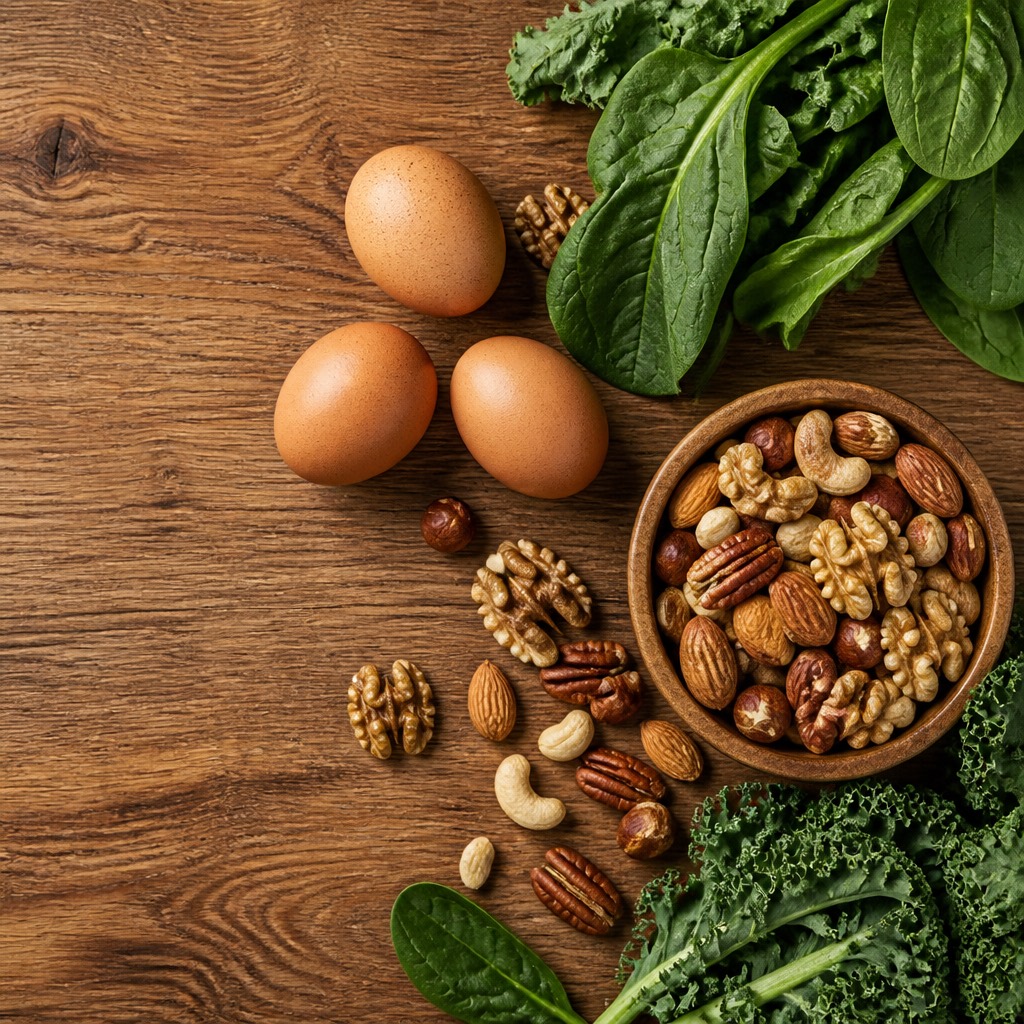
What to Eat on Tirzepatide: 10 Foods That Protect Muscle and Micronutrients
Tirzepatide suppresses appetite and slows gastric emptying, which makes protein and micronutrients harder to hit. Here are 10 foods that protect lean mass and energy.

Tirzepatide and Blood Pressure: 10 Reasons the BP Drop Is Larger Than the Weight Loss Alone Explains
Systolic BP drops 6 to 10 mmHg on tirzepatide — more than weight loss alone explains. Here are 10 reasons the BP reduction matters clinically.

Tirzepatide and Heart Health: 10 Cardiovascular Benefits the Trials Have Already Quantified
Blood pressure, triglycerides, visceral fat, and HbA1c all improve measurably on tirzepatide. Here are 10 cardiovascular benefits backed by the trial data.

10 Reasons Women Over 40 Should Consider Microdose GLP-1 Before Full Dose
Why a gentler GLP-1 approach may be the smartest first step for women navigating perimenopause, hormonal shifts, and menopausal metabolic change.
10 Reasons Microdose GLP-1 Is Safer for Long-Term Use Than Standard Protocols
Published clinical data on tolerability, adherence, lean mass preservation, and why physician-supervised microdose protocols reduce long-term risk.

10 Reasons Your Brain Chemistry Changes on Microdose GLP-1
Dopamine, BDNF, neuroinflammation, slow-wave sleep — a clinician's breakdown of what microdose GLP-1 does to the nervous system across 9 brain regions.

The Side Effects of Ozempic and Why Patients Are Quietly Switching to Microdose Protocols
Ten reasons patients are switching from full-dose Ozempic to microdose GLP-1 protocols, from nausea and muscle loss to rebound weight gain.
Reversing Prediabetes in Men: DPP Data, GLP-1 Evidence, and the Path Back
The DPP showed 58 percent T2D risk reduction from 7 percent weight loss. A 12-month protocol combining lifestyle and, for eligible men, GLP-1 to normalize A1C sustainably.

A1C 5.7 to 6.4: The Ten-Year Decision and What the GLP-1 Evidence Actually Shows
An A1C between 5.7 and 6.4 percent is a ten year fork. Here is what the DPP data, ADA guidance, and GLP-1 trials actually show about moving the number.

Weight Loss After Heart Attack: What the SELECT Trial Changed for Cardiac Rehab Graduates
The SELECT trial showed semaglutide reduced cardiovascular events by 20% in post-cardiac patients with obesity. What that means for cardiac rehab graduates and how a protocol works.
TRT and GLP-1 Together: Why Testosterone Therapy Doesn't Move the Last 15 Pounds
TRT restores testosterone but rarely drives meaningful fat loss alone. The mechanism behind stubborn midsection fat on TRT and what adding GLP-1 actually changes.

Pregabalin Weight Gain: Why Lyrica Adds Pounds and What to Do Without Stopping
Pregabalin drives weight gain in 11.4% of users via appetite increase and edema. The mechanism, the tradeoffs, and what works when the neuropathy medication cannot be stopped.

Surgical Menopause Weight Gain: Why It Happens Faster and What Is Different
After BSO, weight accumulates up to 3x faster than natural menopause. The biology of abrupt estrogen loss, visceral fat preference, and what a weight protocol for this population should address.

Metoprolol Weight Gain in Men: The Mechanism and What to Do About It
Metoprolol can drive 2 to 5 kg per year of weight gain in roughly 26 percent of long term users. The mechanism, the trade offs, and a coordinated weight plan that runs alongside cardiac protection.
Beta Blockers and GLP-1: Can You Take Them Together? A Drug Interaction Guide
Beta blockers and GLP-1 medications can be taken together with specific coordination. The interaction profile, bradycardia and hypoglycemia risks, and how providers structure the protocol.

How Microdosing GLP-1 Differs from Standard Weight Loss Doses
Microdosing and standard dosing are different tools built around different goals. The evidence base is younger for microdosing but the clinical logic is coherent.

What the Latest GLP-1 Research Is Telling Us This Month
Three April 2026 studies on GLP-1 resistance, genetic side effect predictors, and benefits beyond weight loss are reshaping how clinicians think about protocols.

GLP-1 and Testosterone: What the 53% Increase Means for Men Who Optimize
A 2026 meta-analysis confirms GLP-1 receptor agonists significantly raise testosterone in men. Here is what the data shows and why the optimization community is paying attention.

GLP-1 and Sleep: How Receptor Activation Changes Your Sleep Architecture
GLP-1 receptors in the dorsomedial hypothalamus directly regulate circadian biology. Here is what the research shows about sleep quality, beyond the sleep apnea headlines.

GLP-1 and Muscle Loss: How to Preserve Lean Mass While Running a Protocol
At full therapeutic doses, 25–40% of weight lost on GLP-1s can come from lean tissue. Here is the evidence based protocol for lean mass preservation.
GLP-1 and Heart Health: What the SELECT Trial Data Means If You're Not Overweight
The SELECT trial found a 20% reduction in cardiovascular events on semaglutide, partially independent of weight loss. Here is what the cardiac mechanism means for non-obese users.

GLP-1 and Alcohol Cravings: The Neuroscience Behind Why Drinking Habits Change
GLP-1 receptors in the brain's reward circuit directly modulate dopamine signaling. Here is the neuroscience behind why alcohol cravings change on a GLP-1 protocol.

GLP-1 and Brain Fog: The Biology Behind Cognitive Symptoms and What Addresses Them
Brain fog is not vague — it has a documented biology. Here is what GLP-1 receptors in the hippocampus and cortex do to neuroinflammation, insulin signaling, and cognitive function.

GLP-1 and Insulin Sensitivity: What Microdosing Does for Metabolism
Normal A1C does not mean optimal metabolism. Here is what GLP-1 receptor activation does to insulin sensitivity and glucose variability in people without diabetes.

GLP-1 and Longevity: What the Research Actually Shows (And Why Biohackers Are Paying Attention)
Researchers are now calling GLP-1s the first longevity drugs. Here is what the science actually shows about aging, healthspan, and why the biohacking community is paying attention.

Oral vs. Injectable GLP-1: What Women Need to Know Before Starting a Protocol
Injectable GLP-1 was built for clinical weight loss. Microdosed protocols use the same receptor mechanism at a fraction of the labeled dose. What the comparison actually turns on.
Microdosing semaglutide vs. the full dose: what is actually different?
Full-dose GLP-1 protocols were designed for T2D. The metabolic levers they pull are real. The side effect profile at therapeutic doses is also real. Here's what changes at a fraction of that dose.

GLP-1 for perimenopause: why women are choosing microdosed oral protocols over injections
Perimenopause isn't primarily a weight problem. It's a metabolic, hormonal, and neurological shift. Here's how microdosed GLP-1 addresses the mechanisms behind energy crashes, brain fog, and sleep disruption.