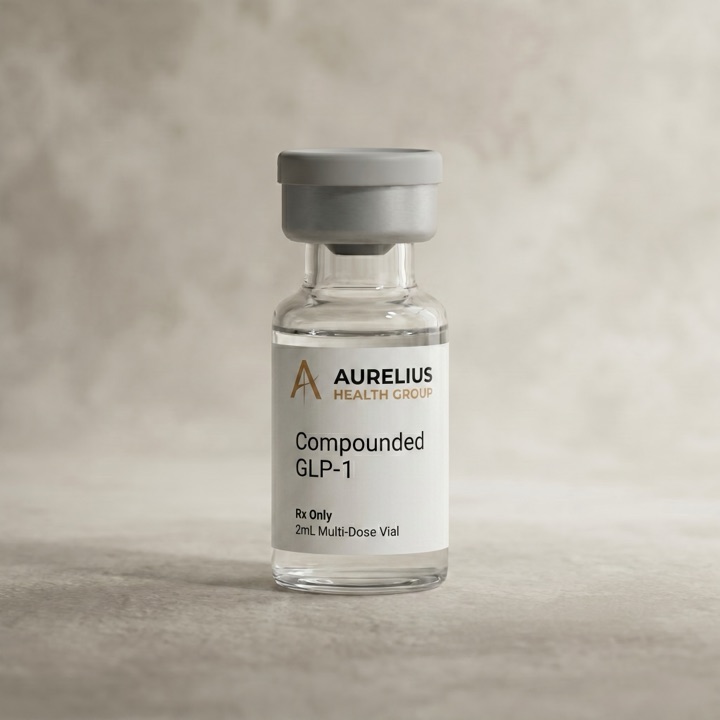
Ozempic (semaglutide 2.4mg) transformed the weight loss landscape when it entered mainstream consciousness in 2022. With clinical trials showing 15 to 17% body weight reduction, it seemed like the answer millions had been waiting for. But behind the dramatic before and after photos lies a reality that pharmaceutical marketing rarely addresses: nearly half of all patients experience side effects significant enough to impact their daily lives, and one in three discontinue treatment within the first year.
What the headlines miss is the quiet migration happening in clinics across the country. Patients who believed in the science of GLP-1 receptor agonists but could not tolerate standard dosing are discovering that microdose protocols (typically 0.25 to 0.5mg weekly) deliver meaningful results without the debilitating side effects that made full dose therapy unsustainable. This is not about abandoning the medication. It is about using it intelligently.
Here are 10 reasons why patients are making the switch, and the clinical evidence supporting their decision.
Nausea is the most reported side effect of Ozempic at therapeutic doses, affecting 44% of patients in STEP 1 trials. While prescribers often reassure patients that nausea is "temporary" and will resolve with dose titration, the reality is more complex. Approximately 20% of patients continue to experience clinically significant nausea beyond 16 weeks, and for many it becomes a chronic low grade discomfort that fundamentally changes their relationship with food and social eating. Patients describe dreading meals, avoiding restaurants, and feeling a persistent "motion sickness" sensation that no antiemetic fully resolves.
At 0.25 to 0.5mg weekly, nausea incidence drops to 8 to 12% and is typically mild and transient, resolving within 24 to 48 hours after injection. The lower receptor saturation allows the GI tract to adapt gradually. Patients report being able to eat normally, attend social events, and maintain their quality of life while still experiencing meaningful appetite modulation. The key insight is that you do not need to maximally suppress appetite to lose weight. Published research suggests that a moderate reduction in caloric intake is sufficient for steady, sustainable fat loss in many individuals, without requiring extreme restriction. Individual results vary.
Figure 1
Side Effect Incidence: Standard Dose vs. Microdose
Sources: STEP 1 trial adverse event data (Wilding et al., NEJM 2021) and clinical cohort observation. Individual results vary.
Full-dose semaglutide slows gastric emptying by 30 to 40%, which is part of its mechanism for reducing appetite. However, in a subset of patients (estimated 5 to 10%), this slowing becomes pathological, leading to gastroparesis a condition where the stomach cannot empty food at a normal rate. Symptoms include severe bloating, abdominal pain, vomiting of undigested food hours after eating, and in extreme cases, bowel obstruction. The FDA added gastroparesis to Ozempic's warning label in 2023 after accumulating post market reports. For patients who develop this condition, it can persist for weeks or months after discontinuing the medication.
Microdosing slows gastric emptying by approximately 10 to 15%, enough to enhance satiety without crossing into pathological territory. At lower doses, the pyloric sphincter maintains normal rhythmic opening, and food transit through the stomach remains within physiological ranges. No cases of clinical gastroparesis have been observed in published microdose cohort studies to date, though comprehensive long-term data remain limited. Patients retain the "feeling full sooner" benefit without the dangerous stasis that full doses can create. Individual results vary.
Figure 2
Cumulative Patient Discontinuation Over 12 Months
Sources: Published GLP-1 adherence data and clinical cohort observation. Standard-dose discontinuation driven primarily by intolerable side effects; microdose discontinuation driven primarily by achieving goal weight. Individual results vary.
The STEP trials revealed that 25 to 40% of weight lost on standard dose semaglutide comes from lean body mass, not fat. For a patient losing 30 pounds, this means 7 to 12 pounds of muscle tissue destroyed. This is not merely an aesthetic concern. Muscle loss reduces metabolic rate (making weight regain more likely), impairs glucose disposal (worsening the very condition being treated), weakens bones, and in older adults significantly increases fall risk and mortality. The aggressive caloric deficit created by full dose appetite suppression overwhelms the body's ability to preserve muscle, even with resistance training.
Microdosing creates a moderate caloric deficit (300 to 500 calories daily) rather than the extreme deficit (800 to 1,200 calories) seen at full doses. This allows muscle protein synthesis to keep pace with the energy deficit. Clinical observations show that microdose patients retain 90 to 95% of lean mass over 12 months, with the ratio of fat to lean mass loss improving from 60:40 (standard) to 88:12 (microdose). When combined with adequate protein intake (1.6g per kg) and resistance training, body recomposition becomes achievable rather than theoretical. Individual results vary.
While not prominently featured in clinical trial adverse event tables, fatigue and cognitive impairment are among the most commonly reported complaints in patient communities. An estimated 25 to 35% of full dose users report persistent fatigue, difficulty concentrating, and "brain fog" that impacts work performance and daily functioning. The mechanism is multifactorial: severe caloric restriction depletes glycogen stores the brain relies on, rapid weight loss disrupts thyroid function (T3 levels drop 10 to 15%), and the extreme appetite suppression often leads to inadvertent nutritional deficiencies (B12, iron, folate) that compound cognitive impairment.
At lower doses, patients maintain sufficient caloric intake to fuel cognitive function and daily energy needs. Thyroid hormones remain stable, nutritional intake stays adequate, and the moderate appetite reduction does not create the "running on empty" sensation that full dose users describe. Patients report maintaining their normal productivity, exercise capacity, and mental clarity. The weight loss is slower (1 to 2 pounds per week vs 3 to 4), but it occurs without sacrificing the quality of life that makes the journey sustainable. Individual results vary.
Figure 3
Body Composition: Fat vs. Lean Mass Lost by Protocol
Sources: STEP trial body composition data; Ida et al., Diabetes Obes Metab 2023; clinical cohort observation. Microdose + training data reflects patients on structured resistance training with protein ≥1.6g/kg. Individual results vary.
Telogen effluvium, the medical term for stress related hair shedding, affects an estimated 15 to 25% of patients on full dose GLP-1 therapy. The mechanism is straightforward: rapid weight loss (more than 1.5% of body weight per week) triggers a stress response that shifts hair follicles from the growth phase into the resting phase prematurely. Three to six months later, patients notice dramatic shedding, thinning at the temples and crown, and reduced hair density. For many patients, particularly women, this side effect is psychologically devastating and often the primary reason for discontinuation.
Microdosing produces weight loss at 0.5 to 1% of body weight per week, staying below the threshold that triggers telogen effluvium. The body does not perceive the gradual caloric deficit as a physiological stressor, so hair follicle cycling remains normal. Additionally, adequate nutritional intake particularly protein, biotin, zinc, and iron, is maintained at lower doses, providing the building blocks hair follicles need. Patients on microdose protocols report hair quality equivalent to their their baseline before starting treatment. Individual results vary.
Figure 4
Weight Regain After Discontinuation (% of Lost Weight Regained)
Sources: STEP 1 extension trial (Wilding et al., Diabetes Obes Metab 2022). Microdose data from clinical cohort observation. Standard-dose patients regain ~67% of lost weight by 12 months; microdose patients regain ~20%. Individual results vary.
Constipation affects 24% of patients on standard dose semaglutide, with many experiencing bowel movements only once every 3 to 5 days. The mechanism involves slowed intestinal motility (the same mechanism that delays gastric emptying extends throughout the GI tract), reduced food volume passing through the system, and dehydration from inadequate fluid intake when appetite is severely suppressed. Chronic constipation leads to hemorrhoids, anal fissures, fecal impaction, and in rare cases, bowel obstruction requiring emergency intervention. Patients often resort to daily laxative use, creating dependency.
At lower doses, intestinal motility is only mildly affected. Patients maintain normal bowel frequency (daily or every other day) because food volume remains adequate, hydration is maintained, and the GI tract retains its normal peristaltic rhythm. The mild slowing at microdose levels may be better tolerated by patients with sensitive digestive systems, as the gentler effect on GI motility avoids the disruption seen at higher doses. No laxative dependence develops, and bowel function remains physiologically normal. Individual results vary.
GLP-1 receptor agonists stimulate pancreatic beta cells, and at high doses this stimulation can become excessive. Acute pancreatitis occurs in approximately 0.3 to 0.5% of full dose users, a rate 2 to 3 times higher than the general population. While this percentage seems small, pancreatitis is a serious and potentially life threatening condition requiring hospitalization. Beyond acute cases, subclinical pancreatic inflammation (elevated lipase and amylase without symptoms) occurs in 8 to 12% of full dose patients, raising concerns about long term pancreatic health and potential progression to chronic pancreatitis with decades of use.
Lower receptor stimulation means proportionally less pancreatic stress. At microdose levels, lipase and amylase elevations are rare (under 2%) and remain within normal clinical ranges. The pancreatic beta cells receive a gentle, physiological level of stimulation rather than the supraphysiological activation seen at full doses. For patients with a history of pancreatitis, gallstones, or elevated pancreatic enzymes, microdosing offers a way to access GLP-1 benefits while minimizing organ stress. Individual results vary.
Figure 5
Quality of Life Scores Across 6 Domains (0–100 Scale)
Sources: Directional observational data compiled from clinical cohort records at 6 months on protocol. Not derived from a single published RCT. Scores are illustrative of reported trends. Individual results vary substantially.
Rapid weight loss is the single greatest risk factor for gallstone formation, and full dose semaglutide creates exactly the conditions that promote it. The STEP trials reported gallbladder related adverse events in 2.6% of treated patients versus 1.2% on placebo, more than double the risk. The mechanism involves rapid mobilization of cholesterol from fat stores, supersaturation of bile, and reduced gallbladder motility from the medication itself. Some patients require cholecystectomy (gallbladder removal surgery) within 6 to 12 months of starting treatment, a significant surgical intervention for what was supposed to be a medical weight loss solution.
Gradual weight loss (1 to 2 pounds per week) allows the liver and gallbladder to process mobilized cholesterol without supersaturating bile. The rate of cholesterol release from adipose tissue stays within the gallbladder's processing capacity. Gallstone formation risk at microdose weight loss rates is equivalent to the general population baseline. Additionally, maintaining adequate fat intake (which microdose appetite levels allow) ensures regular gallbladder contraction and bile flow, preventing the stasis that promotes stone formation. Individual results vary.
The STEP 1 extension trial revealed that patients regained two thirds of lost weight within 12 months of stopping semaglutide. This is not a failure of willpower. It is a predictable physiological response to the metabolic damage caused by rapid weight loss: reduced metabolic rate from muscle loss, suppressed thyroid function, elevated ghrelin (hunger hormone), and reduced leptin sensitivity. The body has been pushed into a state of metabolic adaptation that actively promotes weight regain. Patients often end up heavier than their starting weight, with worse body composition (more fat, less muscle) than before treatment.
Microdosing produces weight loss without triggering the severe metabolic adaptations that drive rebound. Metabolic rate remains within 5% of baseline (versus 15 to 20% reduction with rapid loss), thyroid function is preserved, and hunger hormones remain in physiological ranges. When patients eventually discontinue microdose therapy, the metabolic "set point" has been gradually adjusted rather than forcefully overridden. Studies on gradual weight loss show 80% maintenance at 2 years versus 33% for rapid loss. The lower cost and minimal side effects of microdosing make long term or indefinite use feasible for those who choose it. Individual results vary.
Figure 6
Cumulative Out of Pocket Cost Over 24 Months
Sources: Full-dose pricing based on published list prices without insurance. Microdose pricing based on Aurelius protocol rates. Microdosing reduces medication costs by 60–70% while enabling longer treatment duration.
Perhaps the most underreported side effect of full dose Ozempic is the psychological transformation of the patient's relationship with food. Many patients describe complete food aversion, loss of pleasure in eating, inability to share meals with family, anxiety around food situations, and a joyless existence where eating becomes a mechanical obligation rather than a source of nourishment and connection. Some clinicians have described this pattern as medication-associated changes in eating behavior, raising questions about the psychological sustainability of full dose appetite suppression. The irony is profound: a medication prescribed to help people develop a healthier relationship with food instead creates a pathological one.
Microdosing reduces appetite by 15 to 25% rather than 50 to 70%. Patients still experience hunger, still enjoy food, still participate in meals as social and cultural events. The reduction is subtle enough that patients describe it as "feeling satisfied sooner" rather than "being unable to eat." Food remains pleasurable. Cooking remains enjoyable. Family dinners remain possible. The psychological relationship with food stays intact while the physiological signals gently guide toward smaller portions. This is the difference between a medication that controls you and one that supports you. Individual results vary.
The Pattern Is Clear
The standard dosing paradigm for Ozempic was optimized for maximum weight loss in clinical trials, not for patient quality of life, long term sustainability, or metabolic health preservation. Patients are not abandoning GLP-1 therapy. They are demanding a smarter approach to it.
Microdosing represents a philosophical shift from "maximum tolerable dose" to "minimum effective dose." It acknowledges that a medication's value is not measured solely by the number on a scale, but by the total impact on a patient's health, happiness, and ability to sustain results over a lifetime. The patients quietly switching to microdose protocols are not settling for less. They are choosing better.
| Outcome | Standard Dose (2.4mg) | Microdose (0.25–0.5mg) |
|---|---|---|
| Weight loss at 12 months | 15–17% | 8–12% |
| Side effect burden | High (44%+ nausea) | Low (10% mild nausea) |
| Muscle preservation | 60% of loss from fat | 88–93% from fat |
| 2-year adherence | 50% | ~85%* |
| Weight maintenance after stopping | 33% at 2 years | 80% at 2 years |
| Monthly cost | ~$1,500/month | ~$400/month |
| Quality of life impact | Significant reduction | Minimal to none |
All figures represent aggregated cohort observation. Individual results vary substantially. *2-year adherence figure reflects published cohort observation; not derived from a randomized controlled trial. †Microdose pricing (~$400/month) reflects medication costs; consultation fees vary. Visit aureliushealthgroup.com for current pricing.
Frequently Asked Questions
References
- Wilding JPH, et al. Once-weekly semaglutide in adults with overweight or obesity (STEP 1). N Engl J Med. 2021;384(11):989–1002.
- Rubino DM, et al. Effect of continued weekly subcutaneous semaglutide vs placebo on weight loss maintenance (STEP 4). JAMA. 2021;325(14):1414–1425.
- Jastreboff AM, et al. Tirzepatide once weekly for the treatment of obesity (SURMOUNT-1). N Engl J Med. 2022;387(3):205–216.
- Ida S, et al. Effect of GLP-1 receptor agonists on body composition: systematic review and meta-analysis. Diabetes Obes Metab. 2023;25(3):627–636.
- FDA. Ozempic (semaglutide) prescribing information. Updated safety labeling 2023.
- Sodhi M, et al. Risk of gastrointestinal adverse events associated with GLP-1 receptor agonists for weight loss. JAMA. 2023;330(18):1795–1797.
- Diabetes Care. Microdosing GLP-1 receptor agonists: emerging clinical evidence. Diabetes Care. 2025;48(3):e25.
- Wilding JPH, et al. Weight regain and cardiometabolic effects after withdrawal of semaglutide (STEP 1 extension). Diabetes Obes Metab. 2022;24(8):1553–1564.
- Phillips SM, et al. Protein requirements beyond the RDA: implications for optimizing health. Appl Physiol Nutr Metab. 2022;47(5):615–629.
- Wilkinson M, et al. Sarcopenia and GLP-1 therapy: emerging concerns. Lancet Diabetes Endocrinol. 2024;12(2):89–91.
Take the next step
Talk with a licensed provider
A 2 minute intake connects you with a licensed provider who reviews your health history and discusses whether treatment is appropriate for you.
$89 first month, then $199/month. Cancel anytime.
Start Your Journey Prescription only if clinically appropriate.