For most of the past five years, comparing tirzepatide with semaglutide meant setting two separate trials beside one another and hoping the gap between them meant something. SURMOUNT-1 reported weight reductions of up to 22.5% with tirzepatide while STEP-1 reported roughly 15% with semaglutide, and those figures were stacked together constantly even though a cross trial comparison cannot separate the drug from the population or the protocol.
Two randomized trials have since placed the medications against each other within the same study, at the same time, in the same participants, with SURPASS-2 doing so in type 2 diabetes and SURMOUNT-5 doing so in obesity, and both reported greater reductions with tirzepatide. What follows is what those trials measured, where the safety profiles diverged, and the genuine reasons a person might still be better served by semaglutide. The honest reading is that one medication produced larger average reductions while several other factors carry real weight in an individual decision.
Key takeaways
- SURMOUNT-5, a 72 week randomized trial in 751 adults with obesity and without type 2 diabetes, reported average weight reduction of 20.2% with tirzepatide compared with 13.7% with semaglutide, a difference of 6.5 percentage points.
- SURPASS-2, a 40 week randomized trial in 1,879 adults with type 2 diabetes, reported greater A1C reduction with all three tirzepatide doses than with semaglutide 1 mg, alongside 5.5 kg greater weight reduction at the 15 mg tirzepatide dose.
- Tirzepatide activates both the GIP receptor and the GLP-1 receptor, while semaglutide activates the GLP-1 receptor alone, and this dual mechanism is the leading explanation for the difference although the contribution of GIP is still being characterized.
- Semaglutide holds FDA indications that tirzepatide does not, including reduction of cardiovascular risk in adults with established cardiovascular disease based on the SELECT trial, and treatment of metabolic dysfunction associated steatohepatitis with moderate to advanced fibrosis.
- Tirzepatide holds an FDA indication for moderate to severe obstructive sleep apnea in adults with obesity, which semaglutide does not carry.
- In SURMOUNT-5, discontinuation attributed to gastrointestinal adverse events occurred in 2.7% of the tirzepatide group and 5.6% of the semaglutide group, although gastrointestinal effects were common in both.
- Average trial results do not predict individual response, and tolerability, prior response, cost, and insurance coverage frequently determine which medication is appropriate for a given person. Individual results vary.
Figure 1
SURMOUNT-5: Average Weight Reduction at 72 Weeks
Source: SURMOUNT-5, a phase 3b open label randomized trial in 751 adults with obesity and without type 2 diabetes, comparing maximum tolerated doses over 72 weeks (p<0.001). Values are group averages and do not predict individual response. Individual results vary.
What is the difference between tirzepatide and semaglutide?
Tirzepatide is a dual agonist that activates both the GIP receptor and the GLP-1 receptor, whereas semaglutide is a single agonist that activates only the GLP-1 receptor. That mechanistic distinction is the starting point for everything else, including the difference in effect observed when the two were compared directly.
GLP-1, or glucagon-like peptide-1, is an incretin hormone released from the gut after eating, and it stimulates insulin release when glucose is elevated, suppresses glucagon, slows gastric emptying, and acts on appetite regulating centers in the brain. Semaglutide is a modified peptide analog of that hormone, engineered for a long half life that supports weekly dosing.
GIP, or glucose-dependent insulinotropic polypeptide, is the other major incretin hormone, and it was long considered the less therapeutically interesting of the two in part because GIP responsiveness appears blunted in type 2 diabetes. Tirzepatide engages both receptors from a single molecular backbone, and the prevailing hypothesis is that adding GIP activity enhances the effect on energy intake and adipose tissue metabolism beyond what GLP-1 activation achieves alone, although the precise contribution of the GIP component remains an active research question.
| Factor | Tirzepatide | Semaglutide |
|---|---|---|
| Receptor activity | GIP and GLP-1 | GLP-1 only |
| Brand names | Mounjaro, Zepbound | Ozempic, Wegovy, Rybelsus |
| Administration | Weekly injection | Weekly injection, or a daily oral tablet for type 2 diabetes |
| Typical starting dose | 2.5 mg weekly | 0.25 mg weekly for weight management |
| Highest labeled dose | 15 mg weekly | 2.4 mg weekly for weight management |
| Distinct indication | Obstructive sleep apnea | Cardiovascular risk reduction |
Educational summary of labeled characteristics. Indications, dose ladders, and available presentations differ by brand and by country, and they change over time, so the current prescribing information and the treating clinician remain the authoritative source. Individual results vary.
Figure 2
Weight Reduction Trajectories Across 72 Weeks in SURMOUNT-5
Source: Endpoint values are the reported SURMOUNT-5 results at week 72. The intermediate shape of each curve is illustrative rather than a reproduction of published interim measurements, and it does not predict any individual trajectory. Individual results vary.
Which produced more weight loss, tirzepatide or semaglutide?
In the only large randomized comparison conducted in obesity, tirzepatide produced greater weight reduction than semaglutide, at 20.2% compared with 13.7% of baseline body weight over 72 weeks. That trial, SURMOUNT-5, represents the strongest available evidence on this particular question.
SURMOUNT-5 was a phase 3b open label trial that randomized 751 adults with obesity and without type 2 diabetes, mean age 45, in a one to one ratio to the maximum tolerated dose of tirzepatide at either 10 mg or 15 mg weekly, or the maximum tolerated dose of semaglutide at either 1.7 mg or 2.4 mg weekly. The design detail that matters is the phrase maximum tolerated dose, because both groups were titrated as high as each participant could comfortably go rather than one arm being held at a modest dose.
In absolute terms the tirzepatide group lost an average of 22.8 kg while the semaglutide group lost an average of 15.0 kg, and waist circumference fell by 18.4 cm and 13.0 cm respectively, with both differences reaching statistical significance at p<0.001. Participants receiving tirzepatide were also more likely to reach every weight reduction threshold the investigators measured, spanning 10% through 25% of body weight.
One finding applies regardless of which medication is chosen, which is that weight reduction was roughly 6 percentage points lower among men than among women across both groups, a sex based difference that appears consistently across the GLP-1 literature and is worth factoring into expectations from the outset. The trial was also open label, meaning participants and investigators knew which medication was being given, and while that is a genuine limitation for outcomes shaped by expectation, it matters less for body weight, which is measured on a scale rather than reported by a participant.
Figure 3
SURPASS-2: A1C Reduction at 40 Weeks in Type 2 Diabetes
Source: SURPASS-2, a 40 week randomized trial in 1,879 adults with type 2 diabetes inadequately controlled on metformin, mean baseline A1C 8.28%. All three tirzepatide comparisons against semaglutide 1 mg were statistically significant. Individual results vary.
What did SURPASS-2 find in people with type 2 diabetes?
SURPASS-2 compared tirzepatide with semaglutide 1 mg in 1,879 adults with type 2 diabetes inadequately controlled on metformin, and it reported greater A1C and weight reductions with all three tirzepatide doses over 40 weeks.
A1C fell by 2.01 percentage points with tirzepatide 5 mg, 2.24 points with 10 mg, and 2.30 points with 15 mg, compared with 1.86 points on semaglutide 1 mg, from a mean baseline A1C of 8.28% and a mean baseline weight of 93.7 kg. Weight reduction favored tirzepatide by 1.9 kg at the 5 mg dose, 3.6 kg at 10 mg, and 5.5 kg at 15 mg, with all comparisons reaching p<0.001.
A prespecified exploratory analysis captured the combined effect more vividly, since 60% of participants receiving tirzepatide 15 mg reached an A1C of 6.5% or lower together with at least 10% weight reduction and no severe hypoglycemia, compared with 22% of those receiving semaglutide 1 mg. The important caveat concerns the comparator dose, because SURPASS-2 used semaglutide 1 mg, which was the highest approved diabetes dose when the trial was designed, and higher doses have since become available. SURPASS-2 therefore does not describe how tirzepatide compares with the highest semaglutide doses now in routine use, although SURMOUNT-5 addressed that gap in the obesity population and still favored tirzepatide.
Figure 4
SURPASS-2 Composite Endpoint: A1C at or Below 6.5% With at Least 10% Weight Reduction
Source: Prespecified exploratory analysis from SURPASS-2, requiring an A1C of 6.5% or lower, weight reduction of at least 10%, and no severe hypoglycemia. Exploratory analyses are hypothesis generating rather than confirmatory. Individual results vary.
Is tirzepatide safer than semaglutide?
Neither medication has been shown to be safer than the other. Both carry the same boxed warning regarding thyroid C-cell tumors, both are contraindicated in people with a personal or family history of medullary thyroid carcinoma or multiple endocrine neoplasia syndrome type 2, and both produce gastrointestinal effects as the dominant tolerability issue.
In SURMOUNT-5, gastrointestinal adverse events were the most frequently reported category in both groups, which is consistent with everything known about incretin based therapies. Discontinuation specifically attributed to gastrointestinal adverse events occurred in 2.7% of the tirzepatide group and 5.6% of the semaglutide group, a modest difference from a single open label trial that should not be read as establishing that tirzepatide is better tolerated as a general rule, although it does argue against the intuition that the medication producing larger reductions must be the harder one to tolerate.
Nausea, vomiting, diarrhea, and constipation are common with both and are most pronounced during dose escalation, and the management approach of slower titration, smaller and lower fat meals, and attention to hydration applies equally to each. Both also carry warnings regarding pancreatitis, gallbladder disease, acute kidney injury in the setting of dehydration, and diabetic retinopathy complications among people with type 2 diabetes. Individual tolerability varies enough that some people who cannot remain on one of these medications do well on the other.
Figure 5
Labeled Indications That Distinguish the Two Medications
Source: Summary of labeled indications across brand presentations of each molecule as described in current prescribing information. Indications differ by brand and by country and are subject to change, so the current label remains authoritative. Individual results vary.
Does semaglutide have advantages that tirzepatide does not?
Semaglutide carries FDA indications that tirzepatide does not, and for certain patients those approvals matter more than the difference in average weight reduction.
The most consequential is cardiovascular risk reduction, since the SELECT trial reported that semaglutide 2.4 mg reduced major adverse cardiovascular events by 20% among adults with overweight or obesity and established cardiovascular disease but without diabetes. That result supported an FDA indication in exactly that population, so for someone with a prior heart attack or stroke and no diabetes there is a labeled, outcome based reason to consider semaglutide. Semaglutide also holds an indication in metabolic dysfunction associated steatohepatitis with moderate to advanced fibrosis, and it has kidney outcome data from the FLOW trial, neither of which tirzepatide currently carries.
Tirzepatide is not without a distinct approval of its own, because Zepbound is indicated for moderate to severe obstructive sleep apnea in adults with obesity, so someone whose sleep apnea is a primary clinical concern has a labeled reason to favor it. Tirzepatide has cardiovascular outcome data as well, although it arrived through a different comparison, since SURPASS-CVOT randomized more than 13,000 adults with type 2 diabetes and cardiovascular disease to tirzepatide or dulaglutide, an older GLP-1 receptor agonist with established cardiovascular benefit. Tirzepatide met noninferiority with an 8% lower rate of three point major adverse cardiovascular events and showed advantages on A1C, weight, blood pressure, renal function, and all cause mortality, while discontinuation for adverse events was higher at 13.3% compared with 10.2%. Because the comparator was an active medication rather than placebo, that trial establishes cardiovascular safety in a high risk diabetes population rather than supporting the same claim SELECT supports for semaglutide.
Should someone switch from semaglutide to tirzepatide?
A switch is not automatic and should not rest on trial averages alone. It tends to make the most sense when semaglutide at a maximum tolerated dose has produced an inadequate response after an adequate trial, or when side effects have proven unmanageable, and the decision belongs with a prescriber who knows the full clinical picture. Several considerations argue against changing reflexively:
- Current response. Someone losing weight steadily on semaglutide and meeting their goals is not obviously helped by changing molecules, since a person already responding well is by definition not the average.
- Individual variation exceeds the group difference. The gap of 6.5 percentage points in SURMOUNT-5 sits between two means, while the spread of results within each group was considerably wider than the spread between them.
- Tolerability is individual. Some people tolerate one incretin based therapy and not the other, and there is no reliable way to predict which in advance.
- Access and cost. Coverage, formulary placement, prior authorization criteria, and out of pocket cost differ between these medications and often by indication within the same medication, and one that cannot be obtained consistently is not the more effective option in practice.
- Restarting titration. Switching means beginning the new medication at its lowest dose and climbing again, which typically reintroduces gastrointestinal effects for a period of weeks.
Anyone weighing a change should discuss it with a licensed clinician who can consider their medical history, current response, other medications, and coverage together, since neither medication is appropriate for everyone.
What about compounded versions of these medications?
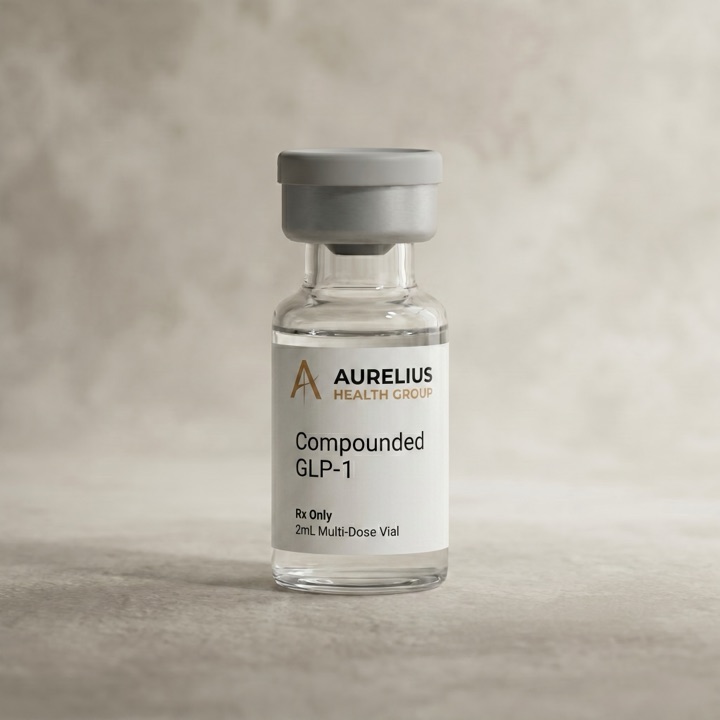
Compounded tirzepatide and compounded semaglutide are not FDA approved products, and they have not been evaluated by the FDA for safety, effectiveness, or quality. The trial results described throughout this article come from studies of the manufacturers' approved products, and those findings cannot be assumed to transfer to compounded preparations, whose potency, purity, and formulation may vary. Anyone considering a compounded formulation should discuss the regulatory and safety distinctions with a licensed clinician.
The bottom line
Two randomized trials have compared these medications directly, and both favored tirzepatide on the primary metabolic endpoints, with SURMOUNT-5 reporting 20.2% against 13.7% weight reduction over 72 weeks in obesity and SURPASS-2 reporting greater A1C and weight reductions at every tirzepatide dose in type 2 diabetes.
That evidence is also narrower than it first appears, because both trials measured group averages in selected populations over fixed periods and neither answers what will happen for any particular person. Semaglutide carries cardiovascular, kidney, and liver related indications that tirzepatide does not, and for someone with established cardiovascular disease or significant liver fibrosis that can outweigh a difference in average weight reduction entirely, while tolerability, cost, coverage, and reliable access shape real world outcomes at least as much as the pharmacology does. The most defensible reading is that both medications are highly effective, that tirzepatide produced larger average reductions when the two were compared directly, and that the appropriate choice for an individual is the one that fits their medical history, is tolerated, and can be taken consistently under clinician supervision.
Take the next step
Talk with a licensed provider
A 2 minute intake connects you with a licensed provider who reviews your health history and discusses whether treatment is appropriate for you.
$89 first month, then $199/month. Cancel anytime.
Start Your Journey Prescription only if clinically appropriate.