Tirzepatide can make people tired, and the prescribing information says so directly. In the two placebo controlled weight loss trials pooled in the Zepbound label, fatigue was reported by 5% of people on the 5 mg dose, 6% on 10 mg and 7% on 15 mg, compared with 3% of people on placebo, which places fatigue on the label's list of the most common adverse reactions.
Most people in those trials did not report fatigue, and tiredness usually has an identifiable cause, such as a sharp drop in food intake, fluid lost through gastrointestinal side effects, or the adjustment that follows a dose increase.
Key Takeaways
- In the pooled Zepbound weight loss trials, fatigue was reported by 5%, 6% and 7% of people on tirzepatide 5 mg, 10 mg and 15 mg, compared with 3% on placebo.
- The label's fatigue category groups four terms together: asthenia (weakness), fatigue, lethargy and malaise.
- In a 6 week trial, tirzepatide reduced intake at a test lunch by 524.6 kcal compared with placebo at week 3, which helps explain why energy can dip early in treatment.
- The Zepbound label warns that dehydration from nausea, vomiting or diarrhea can lead to acute kidney injury, especially when a dose is started or increased.
- No trial has measured fatigue with compounded tirzepatide, which is not FDA approved, or with doses below the approved schedule.
Does tirzepatide make you tired? What the trials found
Fatigue is less common than the gastrointestinal side effects of tirzepatide. The Zepbound prescribing information pools two placebo controlled weight loss trials (Study 1 and Study 2) that included 958 people on placebo, 630 on 5 mg, 948 on 10 mg and 941 on 15 mg.
The label's fatigue figure is a grouped term that counts asthenia, fatigue, lethargy and malaise together.
Figure 1
Fatigue Reports in the Pooled Zepbound Weight Loss Trials
Source: Zepbound prescribing information, Table 1 (Study 1 and Study 2 pooled; placebo N=958, 5 mg N=630, 10 mg N=948, 15 mg N=941).
Placed beside the other common side effects in the same table, fatigue falls in a range similar to dizziness and well below nausea and diarrhea, which makes it a real side effect that affects a minority of people.
Figure 2
Fatigue Alongside Other Common Side Effects, Tirzepatide 15 mg vs Placebo
Source: Zepbound prescribing information, Table 1, pooled Study 1 and Study 2.
Why does tirzepatide make you tired?
Tirzepatide fatigue usually has one of a handful of causes, most of them linked to the weight loss process rather than a sedating effect of the drug. The trials did not test which cause explains each person's tiredness, so these are plausible contributors rather than proven mechanisms.
Eating much less than usual. In a randomized 6 week phase 1 trial of 114 adults with overweight or obesity, Martin and colleagues reported in Nature Medicine in 2025 that tirzepatide reduced energy intake at an all you can eat test lunch by 524.6 kcal compared with placebo at week 3. That drop can leave people short on fuel, and our guide to eating too little on tirzepatide covers the signs of underfueling.
Losing fluid through gastrointestinal side effects. The Zepbound label warns about acute kidney injury due to volume depletion and notes that most reported cases occurred in people with gastrointestinal reactions "leading to dehydration such as nausea, vomiting, or diarrhea." It asks prescribers to monitor kidney function in these patients, especially during dose initiation and escalation, and our dehydration and sick day plan covers the practical side.
Low blood sugar in people with diabetes. Hypoglycemia can cause tiredness, shakiness and confusion, and the risk depends on other medicines. In the Zepbound trial of people with type 2 diabetes (Study 2), glucose below 54 mg/dL was reported in 4.2% of people on tirzepatide compared with 1.3% on placebo, and the rate was 10.3% among people also taking a sulfonylurea compared with 2.1% among those who were not.
Figure 3
Hypoglycemia Below 54 mg/dL in the Type 2 Diabetes Trial (Study 2)
Source: Zepbound prescribing information, section 5.7. Adults with type 2 diabetes and BMI of 27 or higher.
People taking insulin or a sulfonylurea who notice unusual tiredness should check their glucose and ask whether those medicines need adjusting, and our article on tirzepatide and low blood sugar explains who is at risk.
Causes that overlap with treatment. Poor sleep, untreated sleep apnea, low iron, thyroid problems, depression and other medications can all cause fatigue, so persistent tiredness deserves proper evaluation rather than an assumption.
Is tirzepatide fatigue worse after a dose increase?
Many people describe tiredness in the days after a dose increase, although the trials did not measure fatigue timing on its own, and the label explains that the gradual schedule exists to reduce gastrointestinal side effects.
Source: Zepbound prescribing information, section 2.1.
The label adds that most people who stopped tirzepatide because of side effects did so during the first few months, mainly because of gastrointestinal reactions. Across both pooled trials, 4.8%, 6.3% and 6.7% of people on 5 mg, 10 mg and 15 mg stopped because of adverse reactions, compared with 3.4% on placebo.
Figure 4
Stopping Treatment Because of Adverse Reactions, by Dose
Source: Zepbound prescribing information, section 6.1, pooled Study 1 and Study 2.
Can compounded tirzepatide make you tired?
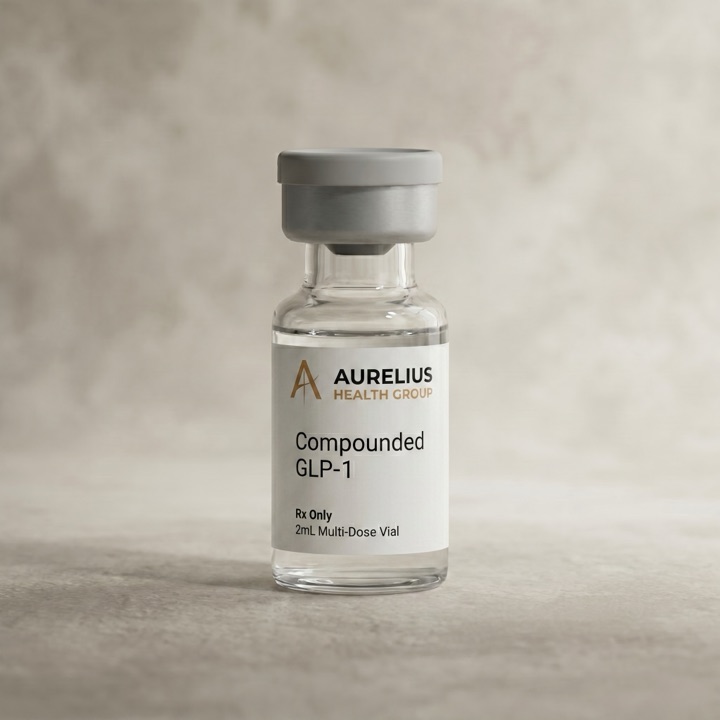
Compounded tirzepatide can plausibly cause the same fatigue as the branded drug, but no trial has measured how often it does, because the rates above come from trials of FDA approved Zepbound. The FDA states that "compounded drugs are not FDA approved," which means the agency does not review them for safety, effectiveness or quality before they are sold, and it has received adverse event reports and reports of dosing errors involving compounded semaglutide and tirzepatide.
Dosing matters here because higher doses in the trials came with more gastrointestinal side effects, so a sudden change in side effects after a new vial or pharmacy is worth reporting to the prescriber.
Does microdosing tirzepatide make you tired?
No clinical trial has measured fatigue at doses below the approved tirzepatide schedule, so there is no data on whether microdosing changes tiredness. The lowest labeled dose, 2.5 mg, is described as a starting dose.
The 5 mg dose had the lowest fatigue rate of the three maintenance doses studied, but the trials did not test whether an even smaller dose would mean even less fatigue. Our explainer on how microdosing tirzepatide works covers what is and is not known.
Does energy improve later in tirzepatide treatment?
Quality of life data from the SURMOUNT program suggest that early tiredness is often not the whole story, although these studies did not measure fatigue alone. In SURMOUNT-3, which randomized 287 people to tirzepatide and 292 to placebo for 72 weeks, Gibble and colleagues reported significantly larger improvements than placebo in most quality of life measures. In SURMOUNT-4, which randomized 670 people at week 36, gains were maintained through week 88 with continued tirzepatide and worsened with weight regain after a switch to placebo (Gibble and colleagues, Obesity, 2025).
In SURMOUNT-OSA, a 52 week program in adults with moderate to severe obstructive sleep apnea and obesity, the apnea hypopnea index fell substantially more on tirzepatide 10 mg or 15 mg than on placebo (Malhotra and colleagues, NEJM, 2024), and a follow up analysis by Kanu and colleagues found improved sleep related impairment and sleep disturbance scores compared with placebo.
Figure 5
SURMOUNT-OSA: Change in Breathing Events per Hour of Sleep at Week 52
Source: Malhotra A et al., N Engl J Med 2024. Trial 1 enrolled people not using PAP therapy and Trial 2 enrolled people using it.
These were manufacturer funded trials in specific populations, and our longer piece on tirzepatide and energy over time covers that arc in more detail. Individual results vary.
How can people reduce tiredness on tirzepatide?
Most practical steps target the common causes, and they are general habits to discuss with a clinician rather than a treatment plan.
Planned meals and steady fluids. Because appetite signals are weaker on tirzepatide, small scheduled meals with protein prevent long stretches without fuel, and sipping fluids through the day, with electrolytes on days with vomiting or diarrhea if a clinician agrees, helps prevent volume depletion.
A symptom log. Noting when tiredness starts relative to the injection day gives the prescriber a pattern to use when deciding whether to hold a dose longer before the next increase.
Sleep and gentle activity. Nausea at night and late meals can disrupt sleep, and our guide to tirzepatide and nausea covers what helps.
When is tiredness on tirzepatide a reason to call a clinician?
Patterns that call for a conversation with the prescriber include tiredness that lasts more than a couple of weeks or keeps worsening, difficulty eating or drinking enough on most days, low glucose readings or shakiness in people with diabetes, and fatigue that began after switching to a new compounded vial or pharmacy.
Urgent care is appropriate for someone who cannot keep fluids down, passes very little urine, feels faint or confused, or has fatigue with severe abdominal pain, pain spreading to the back, or yellowing of the skin or eyes.
Frequently asked questions
Take the next step
Talk with a licensed provider
A 2 minute intake connects you with a licensed provider who reviews your health history and discusses whether treatment is appropriate for you.
$89 first month, then $199/month. Cancel anytime.
Start Your Journey Prescription only if clinically appropriate.